
The Labrador Guide
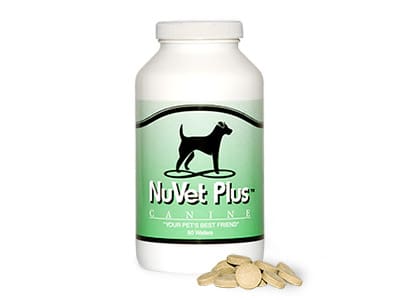
NuVet Supplements and Purina FortiFlora for Our Labradors
At Yates Family Labradors in Arlington, Virginia, nutrition and preventative health are two of the most important factors in raising strong, healthy Labrador Retrievers. While a balanced diet forms the foundation, certain supplements can help support immune function, digestion, and overall wellness—especially during key life stages like early puppy development or times of stress. Two products we commonly use and recommend within our program are NuVet Plus and Purina FortiFlora. NuVet Plus: Supporting Immune Health NuVet (733275) www.nuvet.com/733275 At YFL, many of our dogs receive NuVet Plus as part of their overall wellness routine. NuVet is designed to support a dog’s immune system, skin and coat health, and overall nutritional balance. It contains a blend of vitamins, antioxidants, amino acids, and immune-supporting ingredients. Benefits of NuVet supplements may include: Immune system support Healthier skin and coat Improved overall nutritional balance Support for developing puppies and active adult dogs Because Labrador…
Read More
Breed Club Membership Matters: YFL and the Labrador Retriever Community
When searching for a Labrador breeder, families often focus on puppies, colors, and availability. But one of the strongest indicators of a breeder’s commitment to the long-term preservation of the Labrador Retriever is their involvement with official breed clubs. At Yates Family Labradors in Arlington, Virginia, we believe responsible breeding means participating in the organizations that help guide, protect, and preserve the Labrador Retriever breed. That is why we maintain active involvement with respected Labrador organizations, including: The Labrador Retriever Club, Inc. — the national parent club for the Labrador Retriever in the United States The Labrador Retriever Club of the Potomac, Inc. — one of the most respected regional Labrador clubs in the country These organizations help establish the breed standard, health recommendations, and best practices that guide responsible Labrador breeders. The Role of the Labrador Retriever Club, Inc. The Labrador Retriever Club, Inc. (LRC) is the official national…
Read More
AKC Bred with H.E.A.R.T.: Why This Recognition Matters — And Why Yates Family Labradors Is Proud to Be Part of It
When searching for a Labrador Retriever breeder in Virginia, families will see many claims about quality, health testing, and responsible breeding. One of the most meaningful recognitions a breeder can earn through the American Kennel Club is the AKC Bred with H.E.A.R.T. Program. At Yates Family Labradors in Arlington, Virginia, we are proud to participate in the AKC Bred with H.E.A.R.T. program. This recognition reflects our long-term commitment to ethical breeding, health testing, and continuing education as preservation-minded Labrador breeders. What “Bred with H.E.A.R.T.” Means H.E.A.R.T. stands for: HealthEducationAccountabilityResponsibilityTradition These principles represent the foundation of responsible breeding. The program was created by the American Kennel Club to encourage breeders to go beyond the minimum requirements of dog registration and commit to higher standards that protect the future of purebred dogs. For Yates Family Labradors, these values align perfectly with how we have always operated our Labrador breeding program. Why It’s…
Read More
CHIC Corner: An Easy Win for Healthier Labradors
One of the simplest — and most meaningful — steps a breeder can take to support the long-term health of the Labrador Retriever is earning a CHIC permanent identification number through the Canine Health Information Center (CHIC), in partnership with the Orthopedic Foundation for Animals (OFA). CHIC isn’t a marketing badge. It’s a transparency standard. If a Labrador already has OFA-certified hips and elbows, you’re most of the way there. For Labradors, earning a CHIC number requires just three additional items: ✅ Eyes (CAER exam) ✅ EIC (Exercise-Induced Collapse DNA test) ✅ D Locus (Dilute gene test) What a CHIC Number Actually Means A CHIC number does not guarantee a dog is free from every possible genetic risk. No responsible breeder would claim that. What it does mean is: Required health testing has been completed Results are publicly recorded The breeder is operating transparently Breeding decisions are being made with…
Read More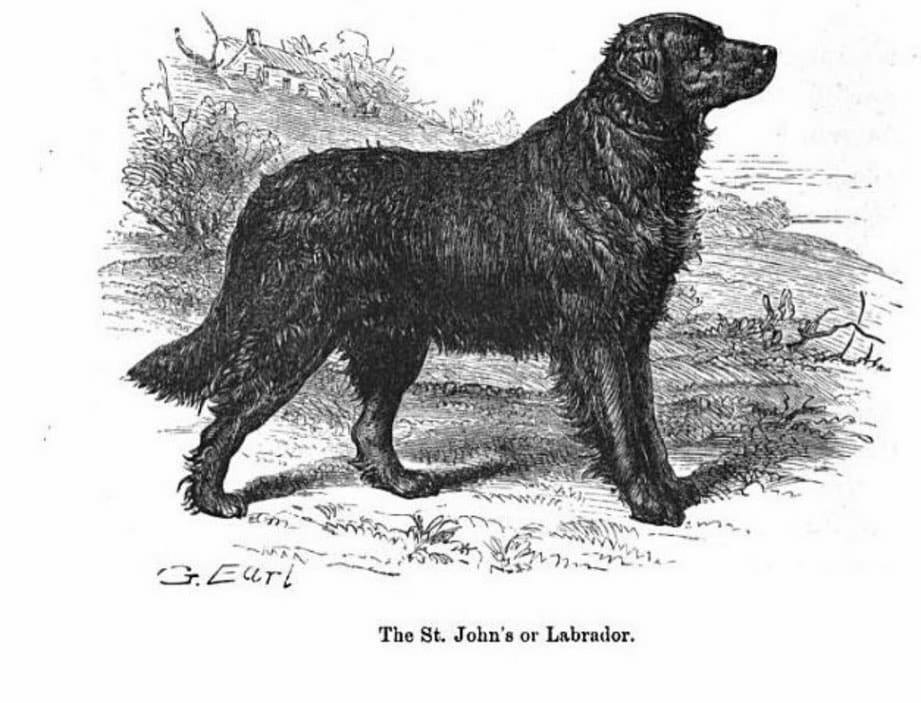
A Little Labrador History — And Why It Still Matters Today
The Labrador Retriever didn’t become America’s most popular dog by accident. The breed was shaped over generations for purpose, partnership, and predictability—and understanding that history helps explain why responsible breeding still matters today. Where It All Began The Labrador’s story begins in Newfoundland, Canada, with the St. John’s Water Dog—a hardworking fishing companion used to retrieve nets and fish from icy waters. In the early 1800s, British nobles imported these dogs to England, where they refined and standardized the breed into what we now know as the Labrador Retriever. Early foundational dogs like Buccleuch Avon and the Malmesbury lines helped establish the consistent temperament, water drive, and retrieving instinct that define the breed. These weren’t ornamental dogs—they were bred for stamina, intelligence, and reliability in the field. The breed would later be formally recognized by the American Kennel Club in the early 20th century, and Labradors quickly became known not…
Read More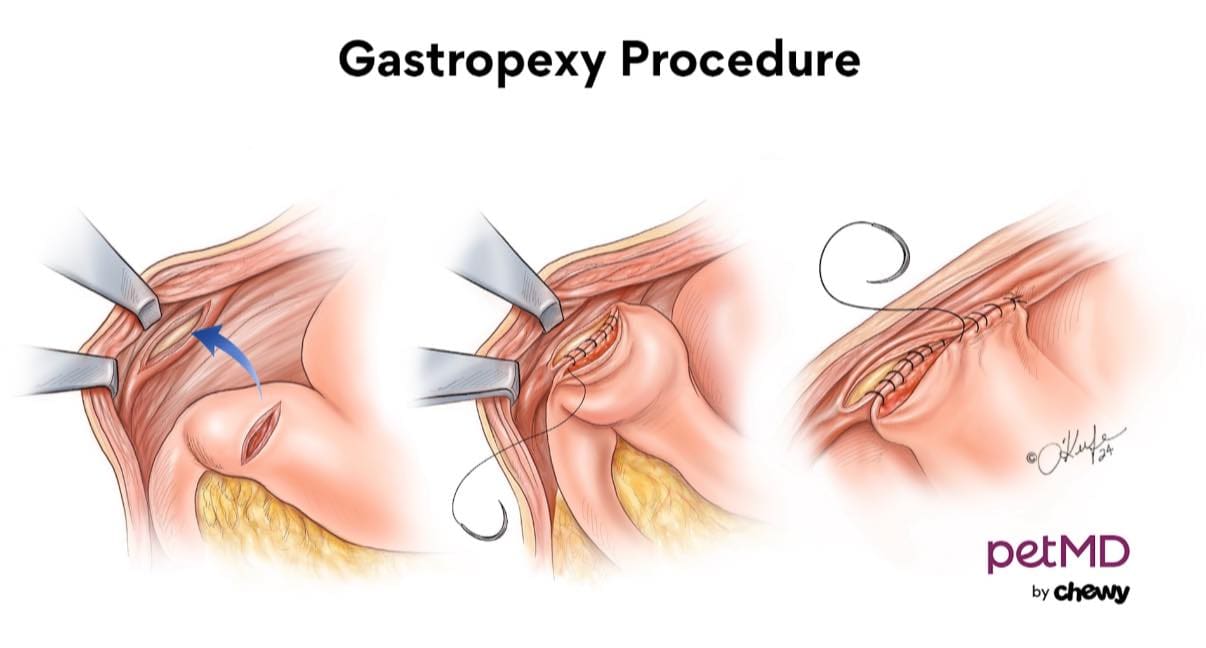
Laparoscopic Gastropexy: A Proactive Step for Your Labrador’s Long-Term Health
Labrador Retrievers are active, athletic, deep-chested dogs. While they are not as high-risk as some giant breeds, they are still susceptible to Gastric Dilatation-Volvulus (GDV)—commonly known as bloat. GDV is a life-threatening emergency in which the stomach fills with gas and twists, cutting off blood supply and requiring immediate surgery. At Yates Family Labradors (YFL) in Arlington, Virginia, we believe in proactive, informed decision-making. That’s why we strongly encourage families to discuss laparoscopic gastropexy with their veterinarian—especially at the time of spay or neuter. What Is a Gastropexy? A gastropexy is a surgical procedure that permanently tacks the stomach to the body wall. This prevents the stomach from twisting (volvulus), which is the deadly component of GDV. It does not prevent gas or mild bloating, but it dramatically reduces the risk of a life-threatening torsion event. Why Consider It for a Labrador? Large breed dogs like Labradors: Have deep chest…
Read More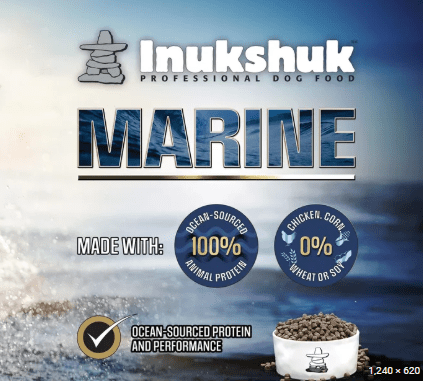
Why YFL Feeds Inukshuk — And Why Nutrition Matters for Your Labrador
Nutrition is not a small decision—it’s a foundational one. At Yates Family Labradors (YFL) in Arlington, Virginia, we evaluate everything through the lens of long-term health, structure, and performance. What you feed your Labrador Retriever every single day impacts muscle development, joint integrity, coat quality, energy levels, digestion, and longevity. After extensive research, conversations with professionals, and hands-on experience with our own breeding dogs and retirees, we transitioned our adult program to Inukshuk Professional Dog Food—specifically the Marine 26/16 formula. Why We Chose Inukshuk Inukshuk is not a retail pet store brand. It was designed for working and performance dogs that require consistent fuel without unnecessary fillers. That philosophy aligns closely with how we raise our Labradors. Here’s why we made the switch: 1️⃣ High-Quality Protein Sources Marine 26/16 uses premium fish-based protein to support lean muscle development and recovery, while being highly digestible. 2️⃣ Stable Energy Without Overfeeding Because…
Read More
Why YFL Partners with Trupanion — And Why We Require Pet Insurance
At Yates Family Labradors (YFL), our responsibility doesn’t end on take-home day. When a Chocolate Lab, Black Lab, Yellow Lab, or Fox Red Lab leaves our home in Arlington, Virginia, we want that puppy protected for life—not just for the first few weeks. Veterinary medicine has advanced dramatically over the last decade. That’s a gift—but it also comes with rising costs. Emergency surgeries, orthopedic repairs, specialty diagnostics, and ICU hospitalizations can easily exceed $8,000–$15,000 in a single event. We never want one of our families forced to make a medical decision based solely on cost. That is why YFL now requires pet insurance for every puppy we place. Our Partnership with Trupanion We proudly partner with Trupanion, a leader in medical insurance for pets. Trupanion offers: Direct payment to veterinarians (in many cases) Unlimited payout options No lifetime caps 24/7 customer support Through our breeder partnership, families receive access to…
Read More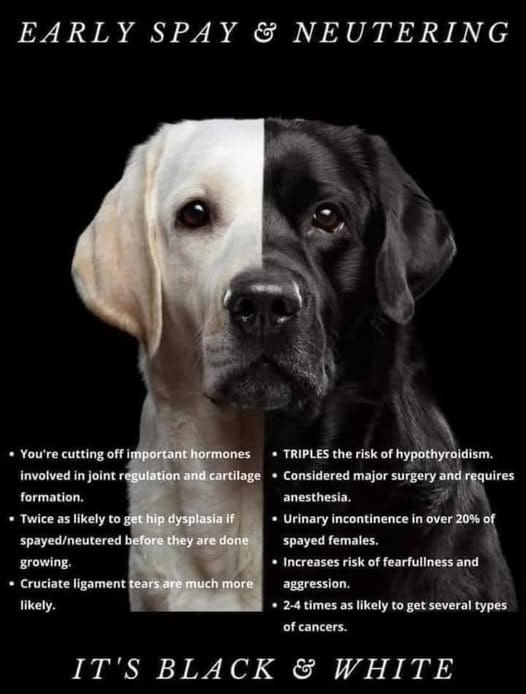
Early Spay & Neutering in Labrador Retrievers: What Large Breed Owners Need to Know
For years, early spay and neuter—often performed between 6 and 12 months of age—was considered routine. But as breed-specific research continues to evolve, many veterinarians and preservation breeders are rethinking that timeline—especially for large breed dogs like Labrador Retrievers. At Yates Family Labradors (YFL) in Arlington, Virginia, we believe families should make informed decisions rooted in long-term health, structure, and quality of life—not tradition or convenience. Why Timing Matters in Large Breed Dogs Labradors are not small dogs. They continue developing physically well past one year of age. Sex hormones (estrogen and testosterone) are not just about reproduction—they play important roles in: Growth plate closure Bone density Joint stability Ligament strength Muscle development Behavioral maturity When a dog is spayed or neutered too early, those hormones are removed before growth plates naturally close. In large breeds, this interruption can influence how bones and joints develop. What the Research Shows Breed-specific…
Read More